
Abnormal Pap Smear Treatment in Singapore: LEEP & Cone Biopsy
Home Gynaecology Abnormal Pap Smear Treatment in Singapore: LEEP & Cone Biopsy

Dr. Chang T.C.
Obstetrician & Gynaecologist Singapore
MBBS London, MD London, FRCS Glasgow, FRCOG UK, FAMS
Receiving an abnormal Pap smear result in Singapore can be unsettling, particularly when you are not sure what it means or what happens next. The important thing to understand first is that an abnormal result covers a wide spectrum. In many cases, it reflects low-grade changes that resolve on their own without any treatment. In others, further assessment is needed to determine the appropriate next step.
An abnormal result is not a diagnosis of cervical cancer. It is a signal that certain cervical cell changes have been detected and warrant a closer look.
Dr Chang offers specialist assessment and treatment for abnormal cervical cell changes, including colposcopy, biopsy, loop electrosurgical excision procedure (LEEP), and cone biopsy, at Thomson Medical Centre, Singapore.
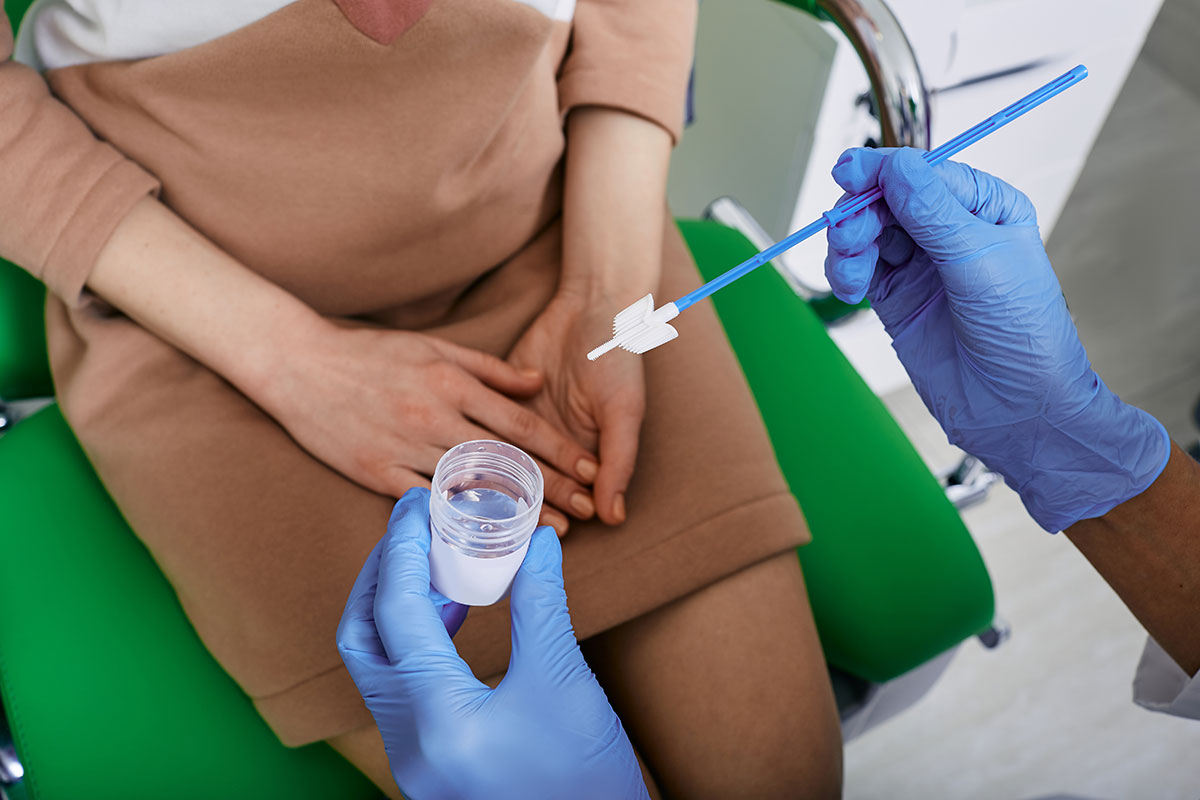
What Does an Abnormal Pap Smear Mean?
A Pap smear test (also called a cervical smear) is a routine screening test used in Singapore to check for changes in the cells of the cervix, specifically from an area called the transformation zone. This is where two different types of cervical cells meet and is the area most vulnerable to HPV-related changes. Because abnormalities tend to arise here first, sampling this area is central to effective cervical screening.
At Dr Chang’s clinic, cervical Thin Prep smear testing combined with HPV testing is offered as part of women’s health screening. When results come back as abnormal, it means that some cells appeared different under microscopic examination. The degree of change matters significantly, and results are graded to reflect their clinical significance.
Broadly, abnormal results fall into two categories:
-
Low-grade changes
Indicate mild cellular abnormalities, often associated with an HPV infection that the immune system may clear without intervention. These frequently do not require immediate treatment but are monitored carefully over time.
-
High-grade changes
Indicate more significant cellular abnormalities that are less likely to resolve on their own. These typically require further assessment and, in many cases, treatment to remove the abnormal tissue before it can progress.
Common Reasons for an Abnormal Pap Smear Result
There are several reasons why a Pap smear may return an abnormal result.
Certain strains of human papillomavirus are the primary cause of cervical cell changes. Most sexually active adults will encounter HPV at some point, and in the majority of cases the immune system clears the virus without any intervention. However, persistent infection with high-risk strains, particularly HPV 16 and HPV 18, which together account for the majority of cervical cancers, can lead to cellular changes that require monitoring or treatment.
- cervical intraepithelial neoplasia refers to precancerous changes in the cells of the cervix. It is graded from one to three based on how much of the cervical cell layer is affected, and the grade has a direct bearing on whether treatment is needed:
- CIN1 (mild dysplasia): involves only the lower third of the cervical cell layer. Many cases resolve spontaneously and are managed through surveillance rather than immediate treatment.
- CIN2 (moderate dysplasia): involves the lower two-thirds of the cell layer. The natural course is variable; some cases regress, others progress. Treatment is often recommended, particularly for women not planning further pregnancies.
- CIN3 (severe dysplasia): involves the full thickness of the cell layer and carries a meaningful risk of progression to cancer if left untreated. Treatment is required.
Bacterial or fungal infections can cause cells to appear abnormal on a Pap smear, even in the absence of precancerous changes. In these cases, treating the underlying infection and repeating the smear is usually sufficient.
Less commonly, abnormal results involve glandular cells rather than squamous cells. These changes are associated with a different type of cervical cancer (adenocarcinoma), are harder to detect through standard cervical screening, and require further investigation when identified.
If the collected sample did not contain sufficient cells for a definitive reading, a repeat Pap smear is typically recommended before any further steps are taken.
What Happens After an Abnormal Pap Smear?
The follow-up pathway depends on the grade and nature of what was found, and on whether a concurrent HPV test was carried out.
For low-grade changes (CIN1 or borderline results), the first step is typically HPV testing if not already done. If no high-risk HPV is detected, the risk of progression is low and surveillance with a repeat smear is usually all that is required. If high-risk HPV is present, colposcopy is generally recommended to examine the cervix more closely.
For high-grade changes (CIN2 or CIN3), colposcopy and biopsy are recommended promptly, and treatment to remove the abnormal tissue is likely to follow once the biopsy confirms the grade.
Dr Chang will review your result and discuss the most appropriate course of action for your situation. Possible steps in the pathway include:
- Repeat Pap smear: for borderline or unclear results where monitoring is appropriate before proceeding further.
- HPV testing to determine whether high-risk HPV strains are present, which directly influences how urgently follow-up is needed.
- Colposcopy a procedure in which a lighted magnifying instrument is used to examine the cervix in detail, allowing the abnormal areas to be identified and mapped.
- Cervical biopsy: a small tissue sample taken during colposcopy and sent for laboratory analysis to confirm the grade of any cellular changes.
- Treatment: where abnormal cells are confirmed at a grade requiring intervention, LEEP or cone biopsy will be discussed.
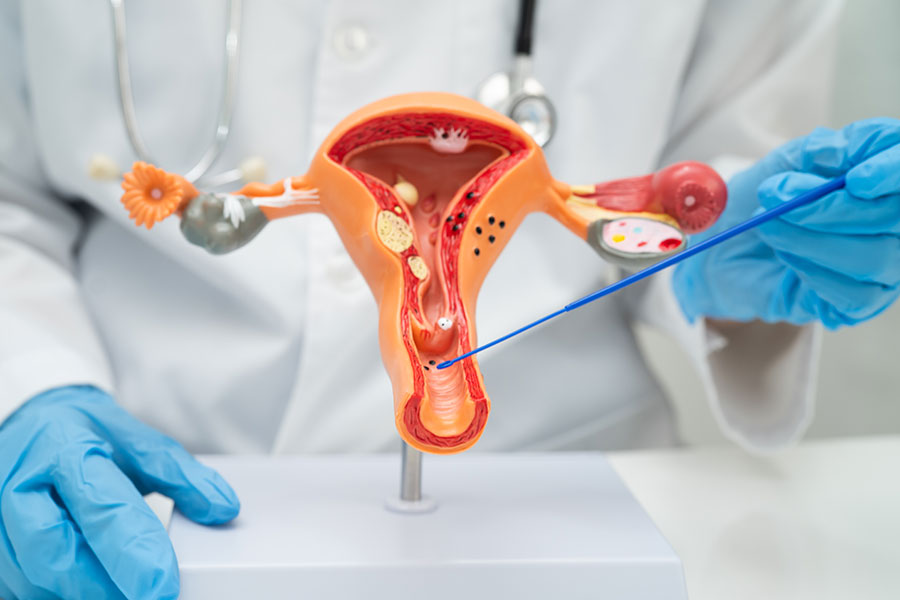
What Is LEEP?
Loop Electrosurgical Excision Procedure (LEEP) uses a fine wire loop carrying an electrical current to remove a layer of abnormal tissue from the surface of the cervix. It serves both a diagnostic and a therapeutic purpose: the tissue removed is examined in a laboratory, which confirms the grade of the cellular changes and, critically, whether the edges of the removed tissue are clear of abnormality. Clear margins indicate that the procedure has been successful in removing all affected tissue.
LEEP is performed under local anaesthesia as a day procedure. You may feel some pressure or mild cramping during the procedure, but significant pain is uncommon.
What to expect:
- A local anaesthetic is administered to numb the cervix
- A speculum is inserted to access the cervix
- The wire loop removes the abnormal tissue layer
- The treated area is lightly cauterised to minimise bleeding
- The removed tissue is sent to a laboratory for analysis
- The procedure typically takes around 15 minutes
If the laboratory report shows that abnormal cells extend to the margins of the removed tissue, a further procedure may be needed to achieve complete removal.
For women planning future pregnancies: LEEP carries a small but documented increased risk of preterm birth in subsequent pregnancies due to changes it causes to the cervix. This is worth discussing with Dr Chang before the procedure, particularly if you have not yet completed your family.
What Is a Cone Biopsy?
A cone biopsy, also called conisation, removes a cone-shaped section of cervical tissue that extends deeper than a standard LEEP excision. Because it reaches further into the cervical canal, it is used when abnormal changes are located higher up within the canal, when the full extent of abnormal tissue cannot be visualised during colposcopy, or when a high-grade result requires a more complete tissue sample to rule out invasive cancer.
Unlike LEEP, cone biopsy is typically performed under general anaesthesia, requiring a hospital admission and a longer recovery period.
The procedure may be performed using a wire loop at greater depth, a cold knife (cold knife conisation), or a laser technique. The choice of method depends on the size, depth, and location of the abnormal area, and is determined by Dr Chang based on your specific findings.
For women planning future pregnancies: cone biopsy removes a more substantial portion of the cervix than LEEP and carries a more significant impact on cervical competence. Women who have undergone cone biopsy face a higher risk of preterm birth and cervical insufficiency in future pregnancies. This is an important factor to discuss with Dr Chang before any decision is made.
LEEP vs Cone Biopsy: What Is the Difference?
| Procedure | Purpose | Tissue Removed | Common Use |
| LEEP | Removes abnormal cervical tissue | Smaller, targeted area | Commonly used for visible abnormal cervical changes confirmed by colposcopy |
| Cone Biopsy | Diagnosis and treatment | Cone-shaped tissue sample | Used when deeper or less clearly defined changes need assessment or removal |
| LEEP | Cone Biopsy | |
| Tissue Removed | Thin layer of abnormal surface tissue | Deeper, cone-shaped section extending into the cervical canal |
| Anaesthesia | Local | General |
| Procedure Setting | Day procedure | Hospital admission required |
| Common Use | Visible, surface-level abnormal changes confirmed by colposcopy (typically CIN2 or CIN3) | Changes extending into the cervical canal; high-grade results requiring a larger or deeper tissue sample to confirm or rule out invasion |
| Key Considerations | Small increased risk of preterm birth in future pregnancies; laboratory confirms whether margins are clear | More significant impact on cervical competence; higher risk of preterm birth and cervical insufficiency in future pregnancies |
Dr Chang will discuss which procedure is more appropriate based on your results, the location and extent of any abnormal tissue, and your personal circumstances, including future pregnancy plans.
Recovery and Follow-Up After Treatment
Recovery after LEEP is generally straightforward. Most patients return to normal daily activities within a few days, though mild cramping and light bleeding may continue for one to two weeks. Cone biopsy recovery typically takes closer to one to two weeks, and fatigue may persist beyond this given that general anaesthesia is involved.
Some vaginal discharge is normal and expected after both procedures as the cervix heals. This may be watery or slightly blood-tinged and can continue for up to four weeks.
The following should be avoided for at least four to six weeks after either procedure, or until Dr Chang confirms at your follow-up that healing is complete:
-
Sexual intercourse
-
Strenuous physical activity
-
Swimming
-
Tampons or internal products
Seek prompt medical attention if you experience heavy bleeding, high fever, unusual or foul-smelling discharge, or significant worsening of pelvic pain.
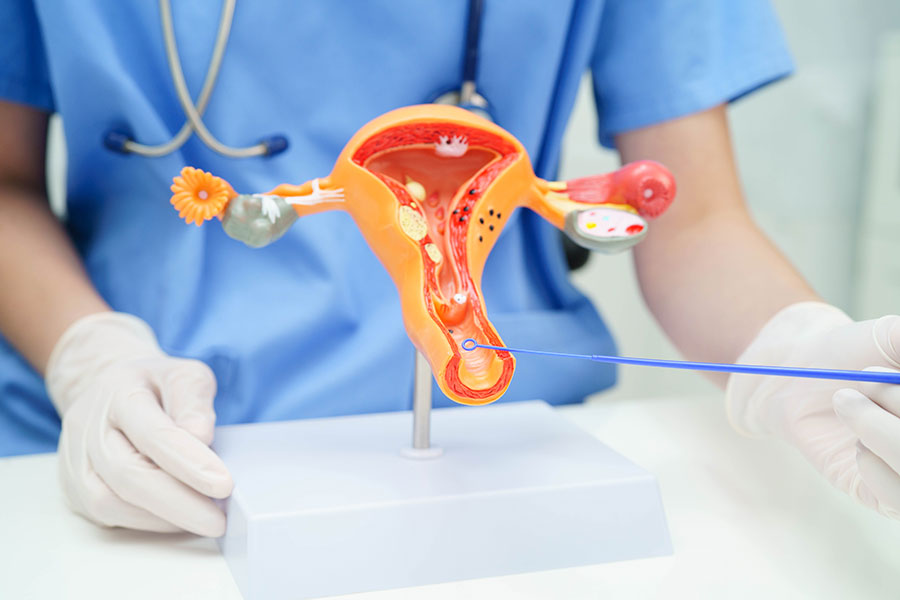
Laboratory results and follow-up
The tissue removed during LEEP or cone biopsy is examined in a laboratory, typically within one to two weeks. The key finding is whether the margins are clear, meaning the edges of the removed tissue contain no abnormal cells. Dr Chang will review these results with you at your follow-up appointment.
Ongoing monitoring is an important part of the pathway. Dr Chang will recommend a schedule for repeat Pap smears, HPV testing, or colposcopy to confirm that treatment was successful and to detect any recurrence early if it occurs.
Women’s health screening is available at the clinic for ongoing cervical health monitoring.
Speak to a Gynaecologist About Your Pap Smear Results
If you have received an abnormal pap smear result in Singapore, or if you are due for cervical screening and would like to know more about the process, Dr Chang is available for a consultation at Thomson Medical Centre.
A specialist review can help clarify what your results mean, whether further assessment is needed, and what your options are.
Book an appointment with Dr Chang to discuss your Pap smear results and next steps.

Frequently Asked Questions About Abnormal Pap Smear Treatment
No. The great majority of abnormal Pap smear results reflect low-grade or precancerous changes, not cancer. Further assessment through colposcopy and biopsy determines the nature and grade of the changes and whether any treatment is needed. Identifying and treating precancerous changes is precisely the purpose of routine cervical screening.
LEEP removes a thin layer of abnormal surface tissue under local anaesthesia and is suited to visible, surface-level cervical changes. Cone biopsy removes a deeper, cone-shaped section of tissue under general anaesthesia and is used when changes extend into the cervical canal or when a more complete tissue sample is required. Both are sent to a laboratory to confirm the grade of the changes and whether all abnormal cells have been removed.
In most cases, yes, but both procedures carry implications for future pregnancies that are worth understanding before proceeding. LEEP carries a small increased risk of preterm birth. Cone biopsy, which removes a larger portion of the cervix, has a more significant impact on cervical competence and carries a higher associated risk of preterm birth and cervical insufficiency. If you are planning to conceive after treatment, this should be discussed with Dr Chang before any procedure is performed.
Most patients who undergo LEEP return to normal daily activities within a few days. Cone biopsy recovery typically takes one to two weeks. Sexual intercourse, strenuous exercise, swimming, and internal products should be avoided for at least four to six weeks after either procedure, until healing is confirmed at your follow-up appointment.
There is a possibility of recurrence, which is why follow-up monitoring is an important part of the treatment pathway. Dr Chang will recommend a schedule of repeat Pap smears or HPV testing after treatment to confirm that the abnormal cells have been fully removed and to detect any changes early if they do return.
Current recommendations advise cervical screening once every three years for women aged 25 to 69 who have had a normal result and are not at elevated risk. Women with a history of abnormal results, high-risk HPV, or previous treatment may require more frequent monitoring. Dr Chang can advise on the appropriate screening interval based on your individual circumstances and results.
If you have received an abnormal Pap smear result or have concerns about your cervical health, a specialist review gives you a clear picture of what your results mean and what, if anything, needs to happen next. Book an appointment with Dr Chang at Thomson Medical Centre.