
Home Obstetrics OSCAR & NIPT Tests
Concerned about how your baby is developing in the first trimester? Prenatal screening in Singapore may help you better understand your baby’s likelihood of selected chromosomal conditions, including Down syndrome, and whether further evaluation may be needed during pregnancy.
At DR TC Chang, options such as OSCAR and NIPT are offered at different stages of pregnancy and discussed alongside your scan findings, pregnancy history, and medical background.
Not sure which prenatal screening option may be suitable for you? Speak with Dr Chang before deciding on the next step.


Prenatal screening assesses the risk of certain chromosomal conditions during pregnancy, including Down syndrome, Edwards syndrome, and Patau syndrome. Depending on the assessment, this may involve an ultrasound, a maternal blood test, or both.
Some assessments look at findings seen on a scan, while others analyse DNA from the placenta through a maternal blood sample.
Because these are screening assessments, the results estimate risk rather than confirm whether a chromosomal condition is present. In some cases, further testing may be discussed if the results suggest a higher-risk pregnancy.
Prenatal screening may be discussed for different reasons during pregnancy. Some parents may want additional reassurance early on, while others may be following up on findings seen during a routine scan.
Depending on the situation, prenatal screening may help:
Some parents choose to proceed with screening, while others may decide against additional testing after discussing the available options with their doctor.
Some prenatal screening options are available during pregnancy. Some focus on ultrasound findings during the first trimester, while others analyse placental DNA through a maternal blood sample.
The One-Stop Clinic for Assessment of Risk (OSCAR), also known as a first trimester screening (FTS), combines an ultrasound scan with a maternal blood test.
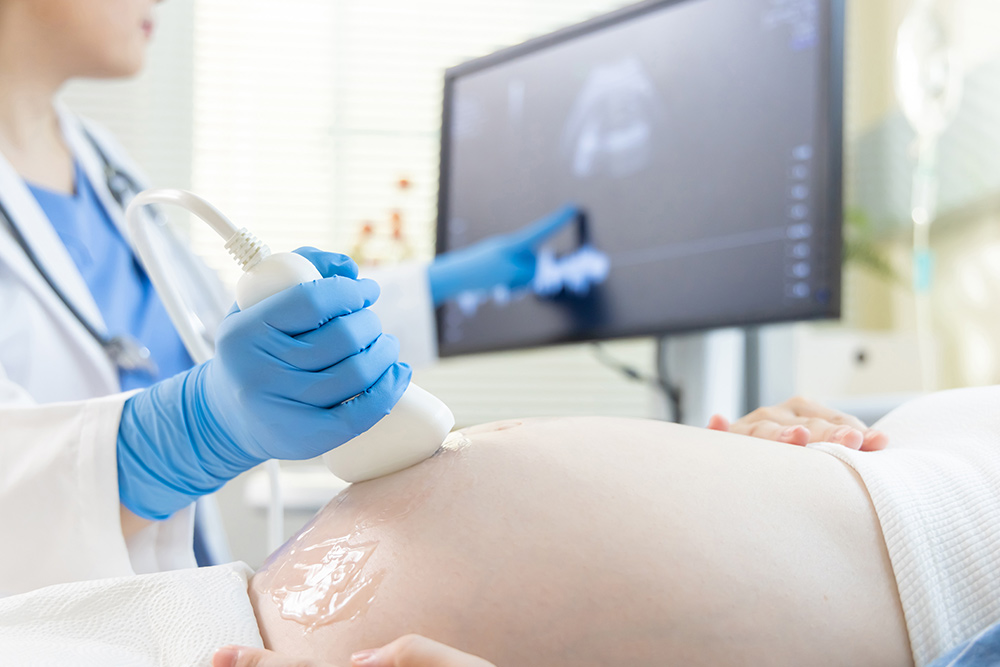
This assessment is usually performed between 11 weeks and 13 weeks plus six days of pregnancy. During the scan, measurements such as the nuchal translucency — the fluid-filled space behind the baby’s neck — are assessed. The visibility of the baby’s nasal bone may also be reviewed.
These findings are interpreted together with maternal blood markers and maternal age to estimate the chance of:
Because the scan is performed early, some major structural abnormalities may also be identified during this stage.
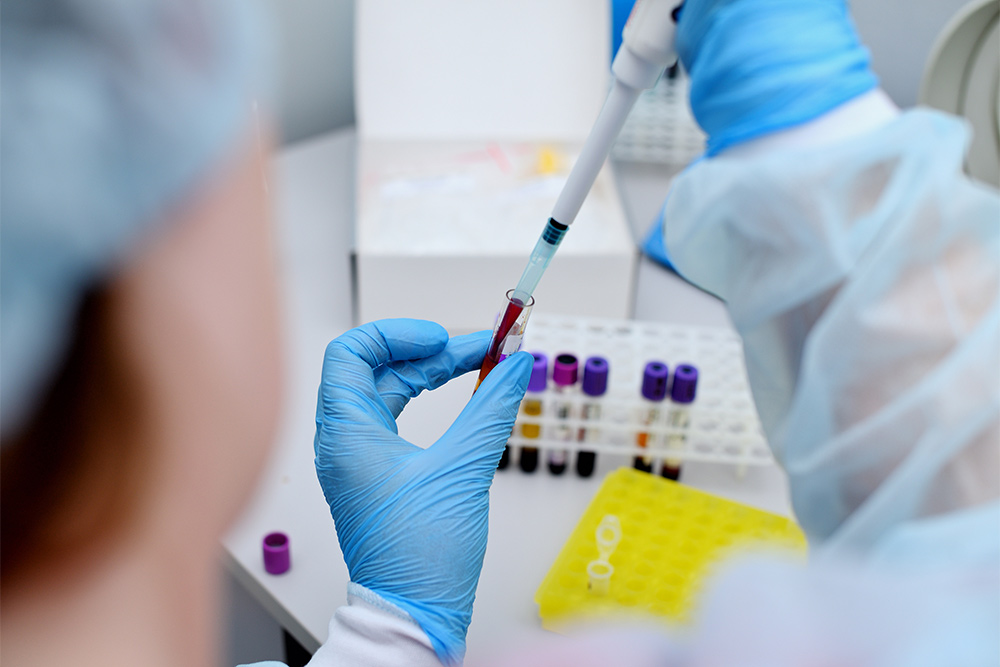
Non-invasive prenatal testing (NIPT) is a maternal blood test that analyses small fragments of placental DNA found in the mother’s blood.
NIPT is commonly available from around 10 weeks of pregnancy onwards. It is widely used in Singapore to test for Down syndrome (Trisomy 21) and may also assess:
Some panels may additionally include selected sex chromosome abnormalities or other genetic conditions, depending on the laboratory used.
Unlike procedures that collect samples from inside the uterus, NIPT only requires a blood sample from the mother.
If screening results or ultrasound findings raise additional concerns, the doctor may discuss diagnostic procedures such as chorionic villus sampling (CVS) or amniocentesis.
Chorionic villus sampling involves collecting a small placental tissue sample, while amniocentesis involves collecting amniotic fluid surrounding the baby.
Unlike OSCAR or NIPT tests, these are diagnostic procedures used to confirm whether a chromosomal condition is present. Because they are invasive, they carry a small risk of complications, including miscarriage.
Both the OSCAR and NIPT tests are commonly used forms of prenatal screening in Singapore. However, they work differently and may be used at different stages of pregnancy.
|
Area
|
OSCAR / First Trimester Screening
|
NIPT
|
|||
|---|---|---|---|---|---|
|
Type of test
|
Ultrasound scan combined with a maternal blood test
|
Maternal blood test analysing placental DNA
|
|||
|
Timing
|
Usually between 11 weeks and 13 weeks plus six days
|
Commonly available from around 10 weeks onwards
|
|||
|
Screens For
|
Down syndrome (Trisomy 21)
Edwards syndrome (Trisomy 18) Patau syndrome (Trisomy 13) |
Down syndrome (Trisomy 21)
Edwards syndrome (Trisomy 18) Patau syndrome (Trisomy 13) |
|||
|
Structural Scan Included?
|
Yes. Includes ultrasound assessment during the first trimester
|
No. NIPT does not assess structural abnormalities on ultrasound
|
|||
|
How Results Are Assessed
|
Combines scan findings, blood markers, and maternal age
|
Analyses placental DNA fragments found in the mother’s blood
|
|||
|
What Happens After Higher-Risk Results?
|
Further review or diagnostic testing may sometimes be discussed
|
Further review or diagnostic testing may sometimes be discussed
|
Some parents choose one form of screening, while others may discuss combining both during pregnancy care.
Different prenatal screening options may screen for different chromosomal or genetic conditions, depending on the type of assessment or laboratory panel selected.
These may include:
Not all prenatal screening options assess the same conditions. Because each panel differs, not all prenatal screening options assess the same conditions.
The timing of prenatal screening depends on the type of assessment being considered.
NIPT may be discussed from around 10 weeks of pregnancy onwards, while the OSCAR/FTS test is usually performed between 11 weeks and 13 weeks plus six days.
For many parents, the first antenatal visit is a good time to discuss the available options, especially if there are existing medical conditions, previous pregnancy complications, or findings seen during an early ultrasound scan.
Parents with existing medical conditions or more complex pregnancies may also require closer monitoring under high-risk pregnancy care.
The prenatal screening process may vary depending on the type of assessment selected, but it generally involves a consultation, an ultrasound assessment, a blood test, and a follow-up review of the results.
1
The consultation usually begins with a review of your pregnancy stage, medical history, family history, and previous pregnancy history.
At our clinic, Dr Chang may also discuss any concerns raised during earlier scans or routine antenatal visits.
This discussion helps guide the next steps in screening and follow-up care.
2
For the OSCAR test, the ultrasound scan forms an important part of the assessment. Measurements such as the nuchal translucency and visibility of the baby’s nasal bone may be reviewed during the scan.
For NIPT, an ultrasound may still be performed as part of routine antenatal care, even though the screening itself is based on a maternal blood sample. NIPT does not replace ultrasound assessment during pregnancy.
3
Depending on the screening option selected, a blood sample may be taken during the appointment.
For OSCAR screening, the blood test is interpreted together with the ultrasound findings and maternal age. For NIPT, the blood sample is used to analyse placental DNA found in the mother’s bloodstream.
4
Once the results are available, Dr Chang will explain whether the findings are considered lower risk or higher risk and discuss what the next steps may involve.
Depending on the results, this may include reassurance, closer follow-up, or discussion of further testing options.
A higher-risk screening result does not automatically mean that a chromosomal condition is present. Instead, it means that further review may be recommended to better understand the findings.
Depending on the situation, Dr Chang may discuss:
The next steps vary from one pregnancy to another and are usually guided by the screening findings, ultrasound results, and overall clinical picture.


The cost of prenatal screening in Singapore may vary depending on the type of assessment performed, the laboratory used, and whether additional ultrasound assessments or consultations are required.
OSCAR and NIPT screening tests are priced differently across clinics and hospitals. Some NIPT panels may also cost more depending on the number of genetic conditions included.
The final cost may vary depending on the type of assessment performed and whether additional laboratory panels or ultrasound assessments are required.
Prenatal screening may be discussed with:
https://doctorchang.com.sg/about/about-dr-chang/Some parents choose a single screening approach, while others may discuss combining assessments depending on their pregnancy needs. During your consultation, Dr Chang can help explain the differences between the available options and whether screening may be appropriate for your pregnancy.
Choosing between OSCAR, NIPT, or further diagnostic tests can be confusing, especially when each option provides different types of information during pregnancy.
Whether you are deciding between OSCAR and NIPT, following up on an earlier scan, or simply unsure where to start, we want to help you make a more informed decision at your own pace.

You can usually discuss prenatal screening from around 10 weeks of pregnancy onwards. Non-invasive prenatal testing (NIPT) is commonly available from this stage, while the One-Stop Clinic for Assessment of Risk (OSCAR), also known as first trimester screening (FTS), is usually performed between 11 weeks and 13 weeks plus six days.
OSCAR combines an ultrasound scan with a maternal blood test, while non-invasive prenatal testing (NIPT) analyses placental DNA through a maternal blood sample.
OSCAR also includes a first trimester ultrasound assessment, while NIPT does not assess structural abnormalities seen on ultrasound scans.
You can usually expect NIPT test results within several working days after the blood sample is collected, although turnaround times may vary between laboratories.
A higher-risk result does not automatically mean that your baby has a chromosomal condition. Depending on the findings, your doctor may recommend additional ultrasound review, closer follow-up, or diagnostic procedures such as chorionic villus sampling (CVS) or amniocentesis.
Coverage may vary depending on your insurance plan, hospital arrangement, and the type of prenatal assessment performed. Our team can advise you on the estimated costs before you proceed. Contact us here.