
Home Gynaecology Chronic Pelvic Pain Treatment
Persistent pelvic pain can affect daily activities, sleep, exercise, relationships, and overall quality of life. For some women, symptoms may continue despite medication or previous investigations.
At our clinic in Singapore, Dr TC Chang provides assessment and treatment for chronic pelvic pain, including evaluation for conditions such as endometriosis, ovarian cysts, fibroids, adhesions, and other gynaecological issues.
Where appropriate, further investigations, including diagnostic laparoscopy, may be discussed based on your symptoms and previous test results.

Pelvic pain refers to discomfort felt in the lower abdomen or pelvic region. Some women describe it as cramping, pressure, bloating, heaviness, aching, or sharp pain.
The discomfort may sometimes extend to the:
Also, pelvic pain may:
Some women experience:
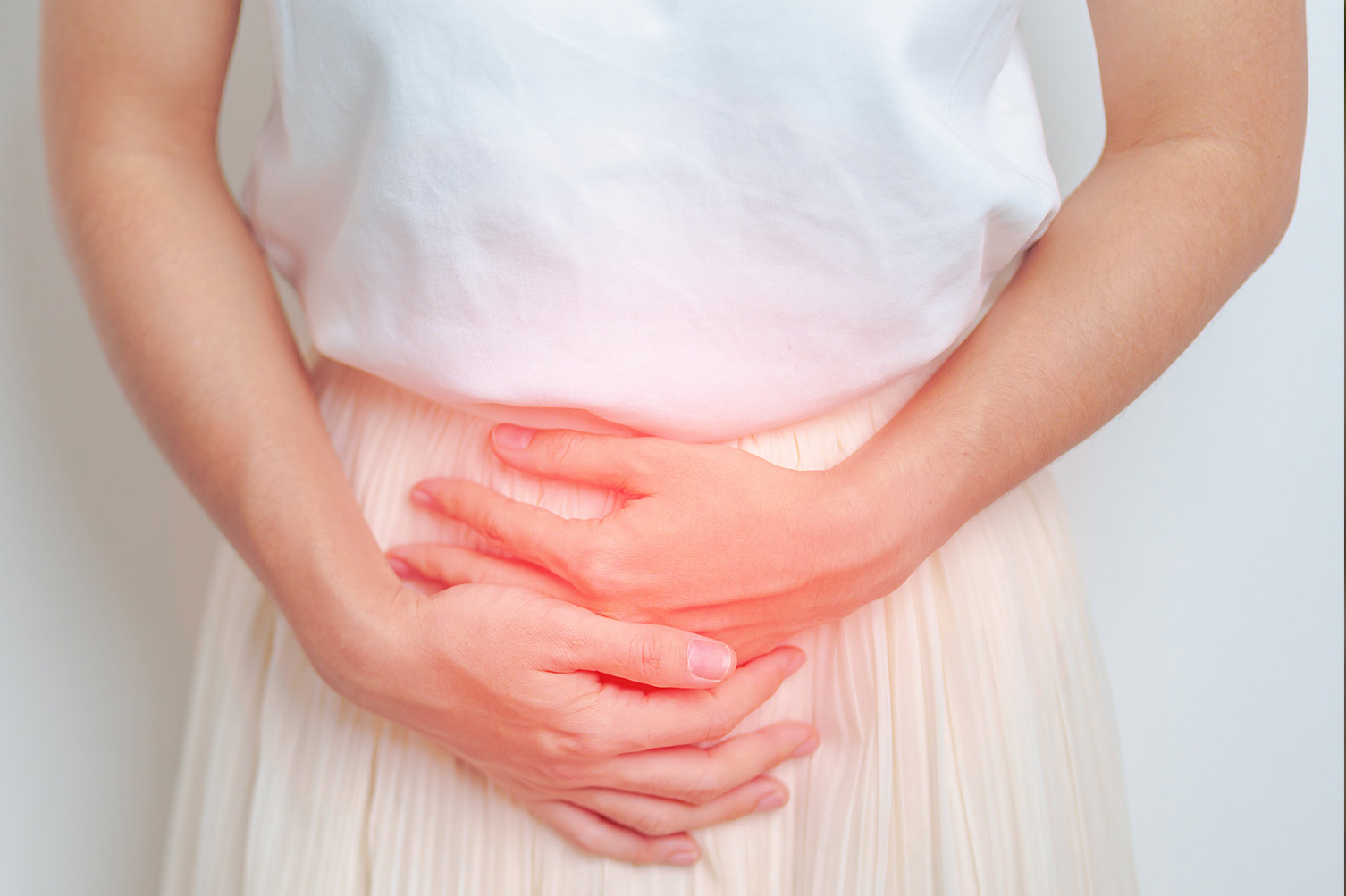
While mild menstrual discomfort can sometimes occur, pelvic pain that is persistent, severe, or progressively worsening should be medically assessed.
You should consider seeing a gynaecologist if you experience:
Persistent pelvic pain may require further investigation to identify the underlying cause and determine whether treatment is needed.
Book a consultation with Dr Chang, our consultant obstetrician and gynaecologist, for an assessment of chronic pelvic pain symptoms.
Chronic pelvic pain is not a condition in itself, but a symptom that may be linked to several underlying causes. Identifying the source of the pain is often an important step in planning treatment.
Endometriosis occurs when tissue similar to the lining of the womb grows outside the uterus. These deposits may affect the ovaries, fallopian tubes, pelvic lining, bowel, or bladder.
The condition may contribute to:
Some women with endometriosis may also develop ovarian cysts known as endometriomas.
Ovarian cysts are fluid-filled sacs that develop in or on the ovaries. While many cysts do not cause symptoms, some may contribute to:
Sudden severe pain may occur if complications such as rupture, bleeding, or twisting of the ovary develop.
Fibroids are non-cancerous growths arising from the muscular wall of the womb. Adenomyosis occurs when tissue from the womb lining grows into the muscle layer of the uterus.
These conditions may contribute to:
Symptoms vary depending on the size, number, and location of the affected tissue.
Pelvic adhesions are bands of scar tissue that may form after previous surgery, infection, inflammation, or conditions such as endometriosis.
In some cases, adhesions may contribute to:
Adhesions are not always clearly visible on imaging scans.
Pelvic inflammatory disease refers to infection involving the female reproductive organs.
Symptoms may include:
Prompt medical assessment is important when infection-related pelvic pain is suspected.
Not all pelvic pain originates from the reproductive organs. In some women, symptoms may instead relate to:
Depending on the symptoms and examination findings, further evaluation outside gynaecology may sometimes be needed.
The assessment of chronic pelvic pain usually involves a combination of symptom review, examination, and investigations based on the suspected cause.
At our clinic, Dr Chang will begin by discussing your symptoms in detail to better understand the possible cause of your pelvic pain.
You may be asked about:
The timing, pattern, and severity of your symptoms can provide important clues about whether the pain may be related to conditions such as endometriosis, ovarian cysts, fibroids, adhesions, or other pelvic disorders.
A pelvic examination may be recommended to assess for:
The examination findings may help narrow down possible causes of your symptoms and guide whether further investigations are needed.
In Singapore, a pelvic ultrasound is commonly used to assess the:
Ultrasound may help identify conditions such as ovarian cysts, fibroids, adenomyosis, or fluid collections within the pelvis.
In selected cases, Dr Chang may also discuss magnetic resonance imaging (MRI) if more detailed imaging is needed.
Depending on your symptoms and examination findings, additional investigations may sometimes be recommended, including:
These tests may help rule out infection, inflammation, hormonal factors, or other medical conditions contributing to pelvic pain.
If scans and initial investigations do not fully explain your symptoms, Dr Chang may sometimes recommend diagnostic laparoscopy for further evaluation.
Diagnostic laparoscopy is a minimally invasive keyhole procedure used to examine the pelvic organs more closely.
During the procedure, a thin camera called a laparoscope is inserted through a small incision, usually near the belly button. This allows Dr Chang to view the pelvic organs directly on a monitor during surgery.
Additional small incisions may sometimes be made if surgical instruments are needed during the procedure.
Diagnostic laparoscopy may help assess the:
It may also help identify:
Because the pelvic organs are viewed directly, diagnostic laparoscopy may sometimes detect conditions that are not always clearly visible on ultrasound or other imaging scans.
Diagnostic laparoscopy is not necessary for every patient with pelvic pain. The decision to proceed with surgery depends on factors such as your symptoms, examination findings, scan results, response to medication, and overall treatment goals.
Dr Chang may sometimes recommend diagnostic laparoscopy when:
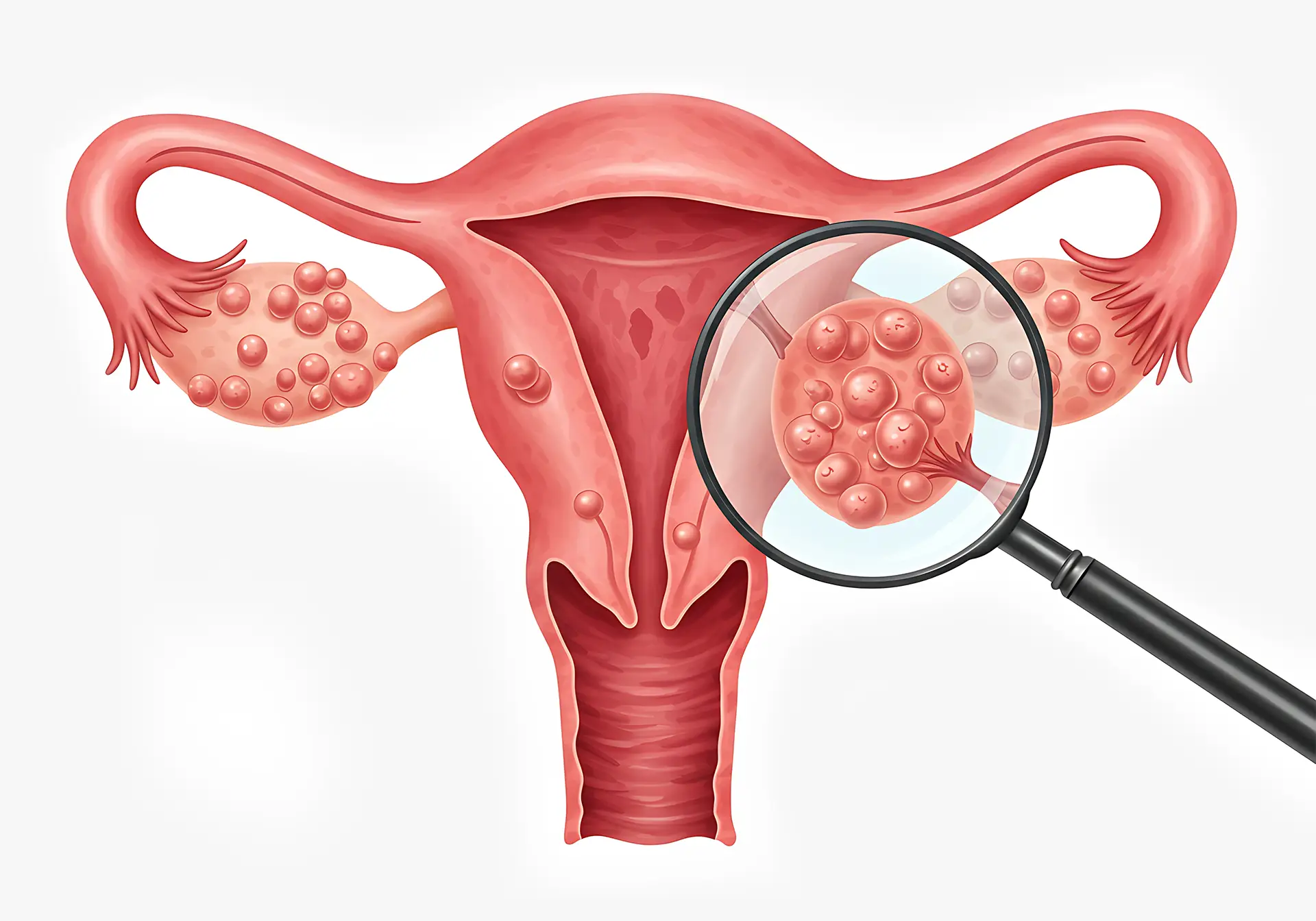
In some women, laparoscopy may help identify conditions that are difficult to diagnose through pelvic ultrasound alone, particularly when symptoms persist despite previous treatment or investigations.
If previous scans or tests have not clearly explained your pelvic pain, Dr Chang can review your symptoms and advise whether diagnostic laparoscopy or another management option may be more suitable. Schedule an appointment today.
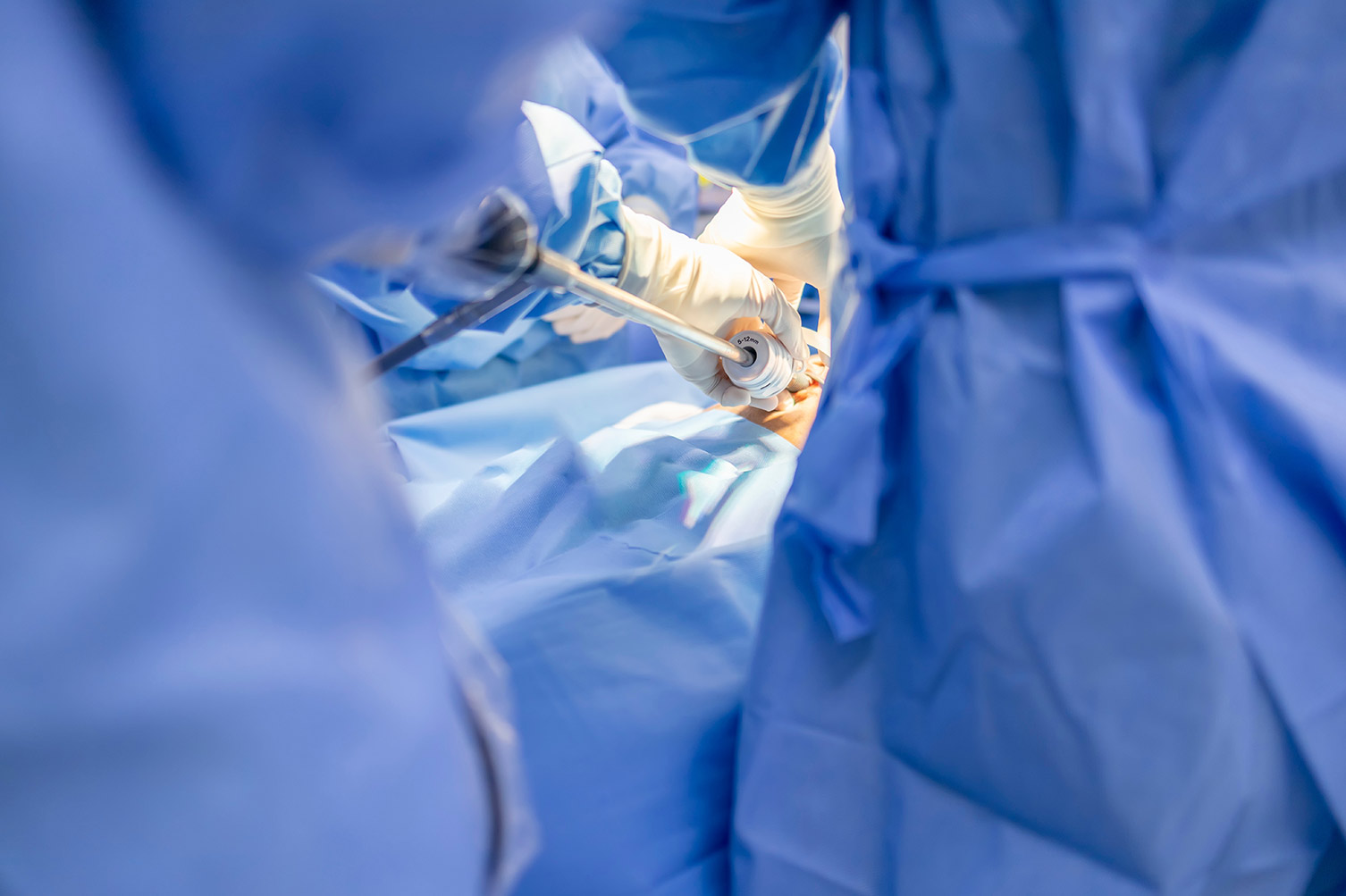
In some situations, pelvic pain treatment may also be performed during diagnostic laparoscopy, depending on the findings and the treatment plan discussed before surgery.
If a treatable cause of pelvic pain is identified, Dr TC Chang may sometimes be able to manage it during the procedure where appropriate.
Possible treatment procedures may include:
In some cases, the findings from laparoscopy may instead help guide the next stage of treatment planning and ongoing care.
Before surgery, Dr Chang will review your symptoms, scan results, medical history, medications, and previous operations.
You may also undergo:
The planned procedure, possible risks, and recovery expectations will usually be explained before surgery.
In Singapore, diagnostic laparoscopy is usually performed under general anaesthesia.
A small incision is made near the belly button, and carbon dioxide gas is introduced into the abdomen to create working space within the pelvis. A thin camera is then inserted to allow the pelvic organs to be examined.
If treatment or tissue sampling is needed, additional small incisions may be made for surgical instruments.
The duration of surgery depends on the findings and whether additional procedures are performed at the same time.
After surgery, you will be monitored in the recovery area before discharge.
Depending on the procedure performed and your recovery progress, some patients may return home on the same day.
Before discharge, Dr Chang will usually discuss:
Temporary symptoms after diagnostic laparoscopy may include:
Most patients require several days of rest after the procedure. Recovery time varies depending on whether additional treatment was performed during surgery.


You may be advised to:
Many patients gradually resume normal activities within around one to two weeks.
Follow-up appointments are important to review surgical findings, discuss biopsy results where relevant, and plan the next stage of care if needed.
Living with ongoing pelvic pain can be physically exhausting and emotionally frustrating, especially when symptoms interfere with work, sleep, exercise or daily routines.
At our clinic in Singapore, Dr TC Chang provides assessment and treatment for women with persistent or unexplained pelvic pain, including evaluation for conditions such as endometriosis, ovarian cysts, fibroids, and pelvic adhesions. Where needed, further investigations such as diagnostic laparoscopy may be recommended.
You should see a gynaecologist if pelvic pain is persistent, worsening, severe, or affecting your daily life. Medical assessment may also be important if you experience severe menstrual pain, pain during intercourse, heavy or irregular bleeding, difficulty conceiving, or symptoms that do not improve despite medication.
Chronic or unexplained pelvic pain may result from conditions such as endometriosis, ovarian cysts, fibroids, adenomyosis, pelvic adhesions, or pelvic infection. In some women, symptoms may instead relate to bowel, bladder, muscular, nerve-related, or musculoskeletal conditions.
Chronic pelvic pain is diagnosed through a combination of symptom review, pelvic examination, and investigations based on the suspected cause. Assessment may include pelvic ultrasound, blood tests, urine tests, infection screening, MRI, or diagnostic laparoscopy where appropriate.
In Singapore, diagnostic laparoscopy may be recommended when pelvic pain remains unexplained after initial tests or imaging, when endometriosis or pelvic adhesions are suspected, or when symptoms continue despite medical treatment.