Home Obstetrics Delivery of Babies
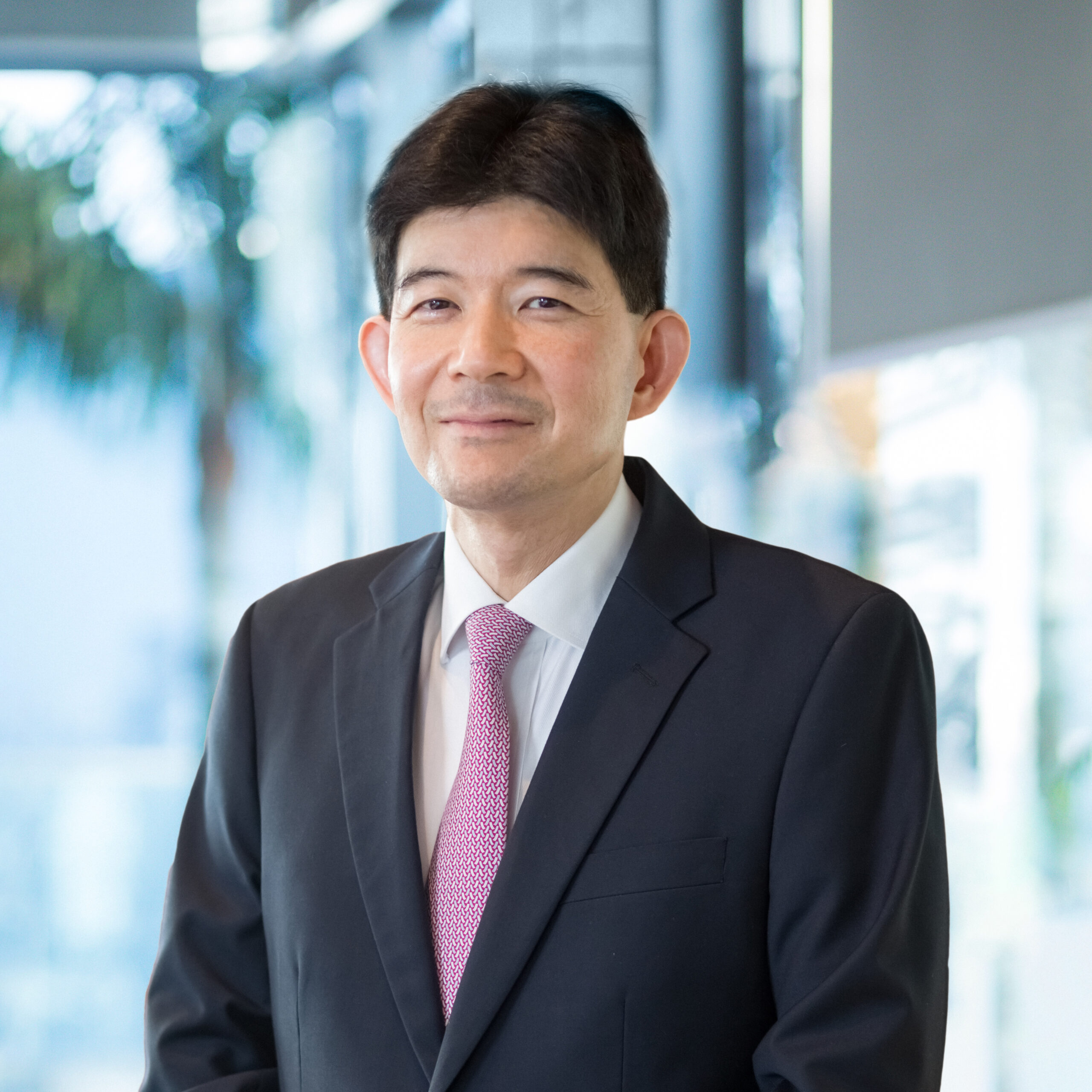
Dr. Chang T.C.
Obstetrician & Gynaecologist Singapore
MBBS London, MD London, FRCS Glasgow, FRCOG UK, FAMS

Planning your delivery in Singapore, whether you are hoping for a natural birth, weighing up your pain relief options, or managing a pregnancy that needs closer care, starts with choosing the right obstetrician.
Dr T.C. Chang is an obstetrician and gynaecologist offering specialist delivery care for natural birth and Caesarean delivery (or C-section) in Singapore, with services spanning antenatal care through to postnatal support. He practises at Thomson Medical Centre and Mt Elizabeth Novena Hospital, and sees patients from across Singapore and internationally, including a significant number of expatriate couples from the UK, Europe, the USA, Australia and New Zealand.
Becoming a mother is one of the most wonderful experiences life has to offer. At the same time, it can be an unnerving experience, especially away from your home country and support network of family and friends. My role is to equip the mother-to-be with the necessary knowledge and confidence to cope with her new role and enjoy it. Part of my role is to monitor the risks associated with any particular pregnancy. By understanding the background and concerns the couple may have, sensible advice and useful clinical information provided can help them to make informed decisions, be it in confronting genetic or prenatal diagnostic problems or preparing for labour and birth.
Dr T.C. Chang
Non-surgical birth looks different for every patient. Here is what to expect during labour and how to prepare.
The following birth options are available, subject to clinical suitability and the circumstances of your labour:
Not sure which birth option is right for you? Speak to Dr Chang about your pregnancy and preferences.
A natural delivery in Singapore follows three broad stages of labour.
A birth plan helps Dr Chang and his team understand your preferences before labour begins. Dr Chang strongly encourages all patients to prepare one.
Every delivery is different, and your preferences matter. Whether you have a detailed birth plan or just a few wishes, share them with Dr Chang during your antenatal appointments so the team can support you in the way you desire.
There are a few things to confirm and prepare ahead of time:

Use your birth plan to record your preferences. Here are some things to consider for when you are in labour:
Dr Chang’s team follows a patient-led approach during labour. Unless you indicate otherwise, the following apply as standard:
If labour does not progress well, Dr Chang may need to assist with the delivery. This could mean an instrumental delivery using vacuum or forceps, or in some cases an emergency C-section in Singapore. (See the Surgery section below.)
You can request pain relief, including an epidural, at any point during labour in Singapore. The options available include:
For births that proceed without complication, recovery typically begins within hours of delivery.
After an uncomplicated vaginal delivery, patients can stay in hospital for one to two days before going home.
In the weeks that follow, it is normal to experience lochia (ongoing vaginal bleeding and discharge) for up to six weeks as the uterus heals. Perineal soreness, fatigue, and emotional adjustment are also common during postpartum recovery.
A six-week check with Dr Chang is standard. This postnatal appointment reviews your physical recovery, addresses any concerns, and provides an opportunity to discuss contraception, lactation support, and future pregnancy planning.
Many patients observe a confinement period of four to six weeks following delivery, a practice common across Chinese, Malay, and Indian cultures in Singapore. Dr Chang’s wider team can support you through this phase.

Maternity & Childbirth Educator
To provide extra support for his patients at Thomson Medical Centre, Dr Chang works alongside Teresa Cordeiro.
Teresa was previously a Nursing Officer in charge of the Labour Ward at Thomson Medical Centre and Gleneagles Hospital, bringing many years of experience in helping patients plan for pregnancy and childbirth.
You may wish to contact Teresa before your first appointment or at any point during your pregnancy to prepare your birth plan and feel ready for what is ahead.
A C-section in Singapore is an operation to deliver a baby through an incision in the lower abdomen and uterus. It may be planned (elective) or unplanned (emergency).
It is commonly carried out under regional anaesthesia, usually a spinal block or epidural, so you remain awake throughout. General anaesthesia is used in rare circumstances.
Some C-sections are straightforward, while others require a higher level of surgical planning and experience.
A Caesarean becomes more complex when there is a low-lying or adherent placenta, when previous abdominal or uterine surgery has left significant scarring and adhesions, or when the baby is in a position that makes delivery more technically demanding.
Dr Chang has experience managing deliveries for women with high-risk pregnancies and those who have had surgical complications in previous births. For women in these situations, a carefully planned approach is essential to achieving the best outcome for both mother and baby.
An elective Caesarean, sometimes called a planned C-section, is scheduled ahead of your due date. It is arranged either because a medical reason has been identified during pregnancy, or after a thorough discussion between you and Dr Chang about the safest option for your delivery.
An emergency Caesarean is carried out during labour when a risk to the mother or baby arises that requires immediate delivery. Emergency C-sections generally carry a greater level of surgical risk and a longer recovery than planned ones, simply because they occur under more pressured conditions.
If you have been advised to consider a Caesarean, or would like to understand your options, book a consultation with Dr Chang to discuss what is right for your pregnancy
A Caesarean may be indicated in the following situations:
Having had a Caesarean does not mean your next delivery must be one too.
Many women planning a VBAC in Singapore are suitable candidates for a vaginal birth after their previous Caesarean. Whether VBAC is appropriate depends on the reason for your previous Caesarean, the type of uterine incision made, and how your current pregnancy is progressing.
A trial of labour after Caesarean carries a small but real risk of uterine scar rupture. For women with a low transverse uterine scar, the most common type, this risk is estimated at around 0.5 to 1 per cent.
For this reason, a trial of labour is planned carefully, carried out with continuous monitoring, and discussed in full with Dr Chang in advance.
| Stage | What to expect |
| Before |
|
| During |
Patients typically describe feeling pressure and movement rather than pain. |
After |
|
A Caesarean is a major operation, so understanding the risks before making a decision helps you prepare and ask the right questions.
| Who is affected | Risks |
| Mother |
|
| Baby | Some babies experience transient breathing difficulties in the hours after birth, as they have not passed through the birth canal. This usually resolves quickly and without intervention. |
Future pregnancies | Scar-related complications, including placenta praevia and placenta accreta, become more significant with each subsequent Caesarean. This is an important consideration if you are planning more than two or three children. |
When weighing natural birth against a C-section in Singapore, the decision depends on your pregnancy, your medical history, and what matters most to you.
At a practical level, the two routes differ most in recovery time, hospital stay, and surgical risk.
| Vaginal birth | Caesarean | |
| Typical hospital stay | Around one to two days | Around three to four days |
| Recovery at home | Faster for most women | Longer; wound care required |
| Surgical risk | None | Present (see Risks section above) |
| Generally advised when | No medical indication for surgery | Safer route for mother, baby, or both |
For some women, the decision is clear from early in the pregnancy. For others, it emerges during labour. In either case, you make an informed decision together with Dr Chang, with full information and without pressure.
Choosing the right gynaecologist for delivery in Singapore is a practical and personal decision, and one that shapes your experience from the first antenatal appointment through to the day you give birth.
In Singapore’s private sector, an obstetrician leads your delivery care from the start of labour through to discharge. Unlike in some healthcare systems, midwife-led delivery is not the standard model in private practice here. Your obstetrician is present for your labour and delivery, not just on call.
Dr Chang delivers at Thomson Medical Centre and Mt Elizabeth Novena Hospital. Both are established private hospitals with well-equipped delivery suites and neonatal support. Choosing one obstetrician for your antenatal care and your delivery means the person who knows your pregnancy is the person in the room when it matters.
Approximately half of Dr Chang’s patients are navigating Singapore’s private healthcare system for the first time, and his team is well practised in supporting families who are new to private maternity care here.
Your care does not begin on the day of delivery. It begins long before. Dr Chang’s patients typically follow a pathway that covers:
Whether you are early in your pregnancy or approaching your due date, it is never too early to speak with an obstetrician about your birth options.
Dr Chang sees patients at Thomson Medical Centre and Mt Elizabeth Novena Hospital. Consultations are available for first-time parents, women with complex or high-risk pregnancies, and those seeking a second opinion on their delivery plan.