Endometriosis Treatment & Surgery in Singapore
Home Gynaecology Endometriosis Treatment
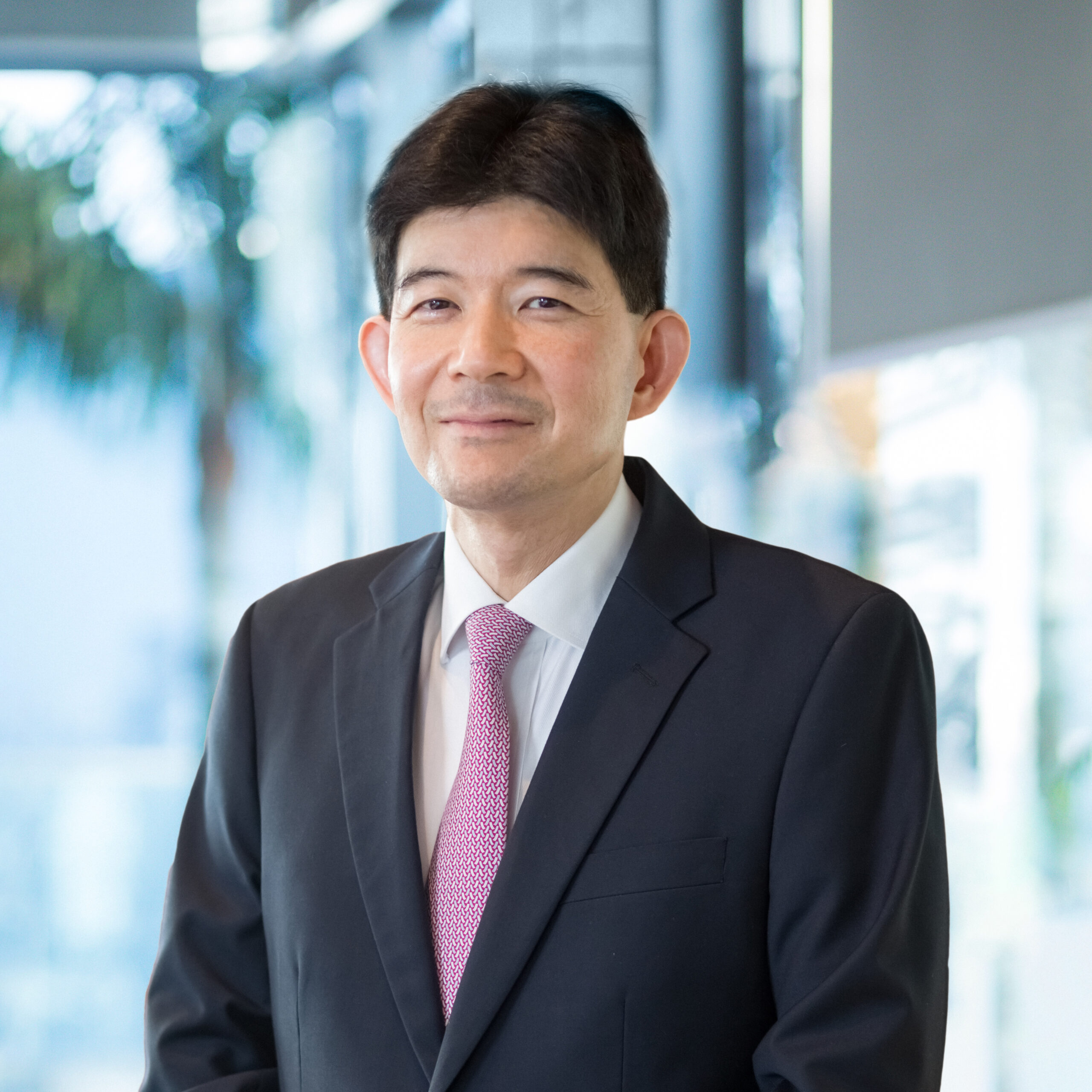
Dr. Chang T.C.
Obstetrician & Gynaecologist Singapore
MBBS London, MD London, FRCS Glasgow, FRCOG UK, FAMS
Endometriosis is a complex and often misunderstood condition that affects women in Singapore. It occurs when tissue similar to the lining of the uterus (endometrium) grows outside the uterus, commonly on other organs in the pelvis.
During the menstrual cycle, this tissue behaves similarly to the tissue inside the uterus—it thickens, breaks down, and bleeds. However, because it has no way to exit the body like menstrual blood, it becomes trapped. This can lead to inflammation, scar tissue formation, and adhesions, which may cause pain, infertility, and other complications.
Symptoms of Endometriosis
Painful menstrual periods
Pain during
intercourse
Heavy menstrual
bleeding
Gastrointestinal
issues
Diagnosis of Endometriosis
1
Medical History Review:
Dr Chang will ask about your symptoms, menstrual cycle patterns, and any relevant medical history, including a family history of endometriosis or other reproductive conditions.
2
Physical Examination
3
Imaging Tests
4
Laparoscopy
This is considered the gold standard for diagnosing endometriosis. It’s a surgical procedure where a small camera (laparoscope) is inserted through a small incision in the abdomen, allowing the surgeon to directly view the pelvic organs and detect any endometrial tissue growths. Biopsy samples may be taken for further examination.
5
Symptom Assessment
Since endometriosis symptoms can vary widely and overlap with other conditions, the severity and impact of symptoms on your daily life are also considered in the diagnostic process.
Treatment Options
Treatment for endometriosis depends on the severity of symptoms, your age, whether fertility is a current priority, and how the condition has responded to previous management.
-
Pain Management
Non-steroidal anti-inflammatory drugs (NSAIDs), such as ibuprofen or mefenamic acid, are commonly used to manage period pain and pelvic discomfort. They are most effective when taken before pain becomes severe and may be used alongside hormonal therapy.
-
Hormonal Therapy
Hormonal treatments work by suppressing the hormonal cycle that drives endometrial tissue growth, reducing inflammation and pain. Options include combined oral contraceptives, progestogens such as dienogest or norethisterone, hormonal intrauterine devices (IUDs), and GnRH agonists. The appropriate choice depends on your symptoms, reproductive plans, and how your body has responded to treatment previously.
-
Complementary symptom management
Some women find that practices such as dietary modification, acupuncture, or physiotherapy help them manage day-to-day symptoms alongside medical treatment. These approaches do not treat the underlying condition but may support quality of life as part of a broader management plan.
Endometriosis Laparoscopic Surgery (Laparoscopic Excision)
Where symptoms do not respond to medical treatment, or where the extent of the disease warrants it, surgery may be discussed. Laparoscopic excision is the primary surgical option for endometriosis. Further detail is provided in the section below.
For some patients, medication and hormonal treatment may not provide enough symptom relief. In these cases, Dr TC Chang may discuss whether laparoscopic surgery is suitable, depending on the severity of the condition, symptoms, scan findings, and fertility goals.
When May Endometriosis Surgery Be Considered?
Surgery may be discussed if you are experiencing one or more of the following:
- Persistent or severe pelvic pain that affects your daily life
- Painful periods that do not respond adequately to medication
- Pain during intercourse
Endometriosis cysts (endometriomas) affecting the ovaries - Suspected adhesions or scar tissue in the pelvic region
- Symptoms that have not improved with hormonal or medical treatment
- Fertility-related concerns linked to endometriosis
Every patient’s situation is different. Dr Chang will review your symptoms, imaging results, and reproductive goals before discussing whether surgery is appropriate for you.
What Is Laparoscopic Excision Surgery?
Laparoscopic excision is a minimally invasive surgical procedure used to remove endometrial tissue growing outside the uterus. It is distinct from a diagnostic laparoscopy, which is used only to identify the condition.
During excision surgery, Dr Chang makes one or more small incisions in the abdomen, then inserts a thin camera (laparoscope) to view the pelvic organs directly. Specialised instruments are used to locate and remove affected tissue. The incisions are then closed with stitches.
Because the procedure requires only small incisions rather than a large abdominal opening, it generally results in fewer complications and a faster recovery compared to open surgery (laparotomy).
How Laparoscopic Surgery May Help
For many patients, laparoscopic excision may help to:
- Reduce chronic pelvic pain and painful periods
- Remove ovarian cysts (endometriomas) caused by endometriosis
- Clear adhesions and scar tissue that may be contributing to pain or organ dysfunction
- Improve the chances of natural conception in patients with fertility concerns
It is important to note that outcomes vary between patients, and some may require further medical or surgical treatment if symptoms return or do not fully resolve. Around 20% of those who undergo surgery may not respond and will require further medical treatment. For those who do benefit, there is also a possibility that symptoms return over time, particularly if ovarian function is not suppressed post-operatively.
Recovery After Endometriosis Surgery
Most patients who undergo laparoscopic surgery are discharged on the same day or after one night, depending on the length and complexity of the procedure. It is normal to feel tired and sore for several days following surgery. Some patients also experience shoulder or upper chest discomfort caused by residual carbon dioxide gas used during the procedure; this typically resolves within a day or two.
In most cases, patients return to light daily activities within one to two weeks. Return to desk-based work is generally possible within this timeframe, while physically demanding work or exercise may require a longer period of rest. Sexual intercourse should be avoided until cleared at your follow-up appointment.
Patients with more advanced disease may require a longer recovery. Dr Chang will provide specific post-operative guidance based on your procedure and individual circumstances.
Is Endometriosis Laparoscopic Surgery Suitable for You?
Whether laparoscopic surgery is appropriate depends on a number of factors, including how severe your endometriosis is, what your symptoms are, and whether you are planning a pregnancy. Dr Chang will take a thorough approach to understanding your situation before making any recommendations.
If you have been living with pelvic pain, painful periods, or difficulty conceiving and suspect endometriosis may be a factor, scheduling a consultation is a good first step.
FAQs About Endometriosis Surgery
Is laparoscopic excision the same as diagnostic laparoscopy?
Can endometriosis be treated without surgery?
How long does it take to recover from endometriosis surgery?
Most patients return to normal routines within approximately two weeks following laparoscopic surgery. Those with more advanced endometriosis may need six weeks or longer to recover fully.
Can endometriosis come back after surgery?
Will endometriosis surgery affect fertility?
When to See an Endometriosis Doctor or Specialist in Singapore
Endometriosis symptoms are often dismissed as “just bad periods,” which is part of why diagnosis is frequently delayed by several years. You do not need to wait until symptoms are severe or surgery is on the table to have them assessed.
It is worth seeing an endometriosis doctor in Singapore if you notice:
- Period pain that is noticeably worse than what you experienced in your teens or 20s
- Pain that started or changed after a specific event, such as childbirth or a pelvic surgery
- A pattern of symptoms that seems to worsen with each cycle
Unexplained fatigue or bowel symptoms that flare up around your period - Any period-related symptom you have been putting off asking about
An endometriosis specialist in Singapore can take a history, examine you, and advise on whether imaging or further investigation is warranted. Catching symptoms early doesn’t guarantee a straightforward course, but it does mean more of the non-surgical options mentioned above remain on the table.
Book an appointment with Dr Chang to discuss your symptoms and whether further assessment is needed.