
Womb Removal Surgery (Hysterectomy) in Singapore
Home Gynaecology Womb Removal Surgery (Hysterectomy) in Singapore

Dr. Chang T.C.
Obstetrician & Gynaecologist Singapore
MBBS London, MD London, FRCS Glasgow, FRCOG UK, FAMS
Dr TC Chang provides gynaecological assessment and surgical care for women in Singapore, including hysterectomy, to make sure every patient understands their options before any decision is made
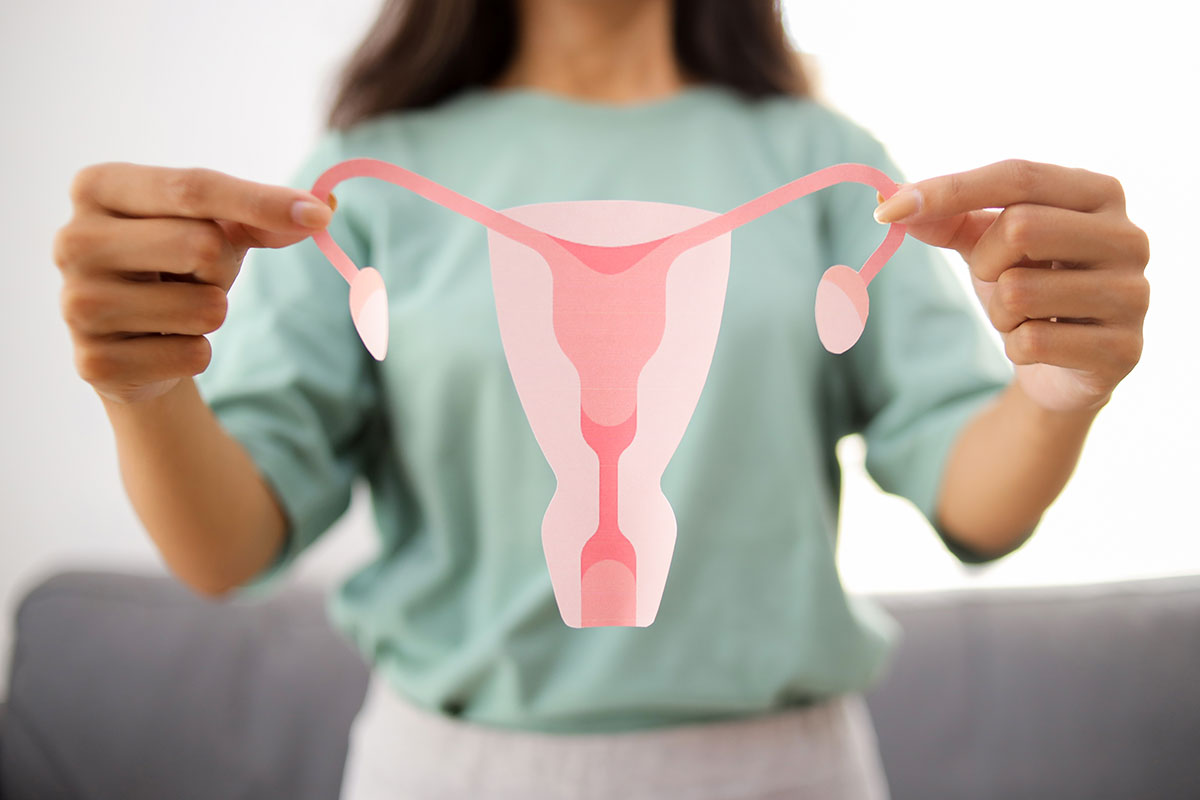
What Is Womb Removal Surgery?
Hysterectomy is one of the most common gynaecological surgeries performed in Singapore and may be recommended when a gynaecological condition is severe, persistent, or does not respond to less invasive treatments.
The procedure involves the surgical removal of the uterus (womb). Depending on your condition, it may also involve removing the cervix, ovaries, or fallopian tubes.
Following a hysterectomy, menstruation will stop, and pregnancy will no longer be possible. These are important considerations that Dr Chang will take time to discuss with you before any decision is made.

When May a Hysterectomy Be Recommended?
Most women who end up discussing hysterectomy do not begin with a diagnosis.
They begin with symptoms such as:
- Heavy or abnormal uterine bleeding: persistent bleeding that does not respond to medication or hormonal treatment
- Persistent pelvic pain: Intense pelvic pain that persists beyond menstruation
- Sense of pressure or fullness in the lower abdomen
- Urinary symptoms that have no obvious cause
What makes this complex is that several different gynaecological conditions can produce an almost identical symptom picture. Fibroids and adenomyosis, for example, both cause heavy periods and pelvic pain, but they are distinct conditions that respond to different treatments.
Therefore, a thorough clinical assessment, including pelvic examination, ultrasound, and in some cases further imaging or laparoscopy, is the necessary first step. The goal is to identify the root cause before any treatment decision is made.
Moreover, hysterectomy is not the first line of treatment for any of these conditions. Medication, hormonal therapy, and less invasive surgical options are typically explored first. It becomes a discussion when those options have not provided adequate or lasting relief, or when the nature of the condition makes it the most clinically appropriate long-term solution.
Conditions that may lead to this discussion include:
Uterine fibroids
Fibroids are non-cancerous growths that develop within or on the wall of the uterus. Their impact depends heavily on size, number, and location. Fibroids that press into the uterine cavity (submucosal fibroids) tend to cause the heaviest bleeding; those that grow outward (subserosal fibroids) are more likely to produce pressure or urinary symptoms. Medication can reduce symptoms temporarily, and myomectomy can remove individual fibroids while preserving the uterus. However, uterine fibroids can recur after myomectomy. Hysterectomy is the only definitive treatment and may be considered when fibroids are large, numerous, or symptomatic and have not responded to other interventions.
Adenomyosis
Adenomyosis occurs when tissue similar to the uterine lining grows into the muscular wall of the uterus itself, rather than shedding normally during menstruation. The uterus becomes enlarged, and this causes heavy, prolonged, and often severely painful periods. Because the tissue is embedded within the muscle, it cannot be surgically removed the way fibroids can. Hormonal treatments can manage symptoms but do not resolve the condition. For women who have completed their family and whose symptoms significantly affect their quality of life, hysterectomy is the only permanent solution. Adenomyosis is one of the most common reasons hysterectomy is performed.
Endometriosis
Endometriosis involves tissue similar to the uterine lining growing outside the uterus, on structures such as the ovaries, fallopian tubes, bladder, or bowel. It can cause severe cyclical pain, adhesions, and in some cases affects fertility. Laparoscopic surgery can remove endometrial deposits and is often the preferred initial surgical approach. In advanced or recurrent cases where other treatments have not provided sustained relief, hysterectomy may be considered. Where the ovaries are also affected, their removal may be discussed, though this would result in an immediate surgical menopause, which requires separate consideration.
Uterine prolapse
Prolapse occurs when the uterus descends into the vaginal canal due to weakened pelvic floor support, often following childbirth or as a result of ageing. It can cause a sensation of heaviness or bulging in the pelvis, urinary leakage, difficulty emptying the bladder, and discomfort during physical activity. Conservative options such as pelvic floor physiotherapy and vaginal pessaries are typically tried first. Where these do not provide adequate relief, vaginal hysterectomy is a well-established surgical option.
Abnormal uterine bleeding unresponsive to treatment
Precancerous or cancer-related conditions
Types of Hysterectomy
The type of hysterectomy recommended depends on your diagnosis, which structures need to be removed, and your personal circumstances. Understanding the differences matters because the choice between types has direct implications for ongoing screening needs, hormonal health, and surgical recovery.
| Type | What is removed | Typically used for | Key Considerations |
| Total hysterectomy | Uterus and cervix | Fibroids, adenomyosis, abnormal bleeding | No ongoing cervical screening required after surgery |
| Subtotal (partial) hysterectomy | Uterus only (cervix retained) | Benign conditions where cervix preservation is appropriate | Routine cervical screening (Pap smears) remains necessary; cervix retention may support pelvic floor function |
| Radical hysterectomy | Uterus, cervix, upper vagina, parametrium, sometimes pelvic lymph nodes | Gynaecological cancer treatment | Extent of surgery is guided by cancer staging and planned alongside an oncology specialist |
| With salpingo-oophorectomy | Above, plus ovaries and fallopian tubes | Cases requiring removal of ovarian tissue | If pre-menopausal, ovary removal brings on immediate surgical menopause; bone, cardiovascular, and hormonal implications should be discussed with Dr Chang before proceeding |
Salpingo-oophorectomy is not a standalone type of hysterectomy but an additional procedure that can be combined with any of the above depending on your diagnosis and clinical circumstances.
Surgical Approaches for Hysterectomy
| Approach | Technique | Best Suited For | Hospital Stay | Recovery |
| Laparoscopic (keyhole) | Several small abdominal incisions; camera and surgical instruments used throughout. Robotic assistance may be used in anatomically complex cases for greater precision | Most benign gynaecological conditions including fibroids, adenomyosis, and endometriosis | One to two nights | Two to four weeks |
| Vaginal | No external incisions; uterus detached and removed through the vaginal canal | Uterine prolapse; cases where the uterus is not significantly enlarged | One to two nights | Up to six weeks |
| Abdominal (open) | Single horizontal incision across the lower abdomen, positioned similarly to a Caesarean section scar | Large or significantly enlarged uteri; complex cases with substantial adhesions or scarring from prior surgery; situations requiring a wider surgical field, including some cancer cases | Three to five nights | Six to eight weeks |
The approach recommended for you will be based on your diagnosis, the size and condition of your uterus, your surgical history, and Dr Chang’s clinical assessment. The goal is to match the technique to your specific situation rather than to apply a single standard approach.
What to Consider Before Womb Removal Surgery
A hysterectomy is a permanent procedure. Before proceeding, work through these key considerations with Dr Chang:
- Fertility:
Once the uterus is removed, pregnancy is no longer possible. If you have not completed your family, or are uncertain about future pregnancies, this must be discussed before any decision is made. For women of reproductive age who are facing a diagnosis that may eventually require hysterectomy, it may be worth exploring options such as completing your family sooner or, in appropriate circumstances, egg freezing before surgery. - Menstruation:
Periods stop permanently after hysterectomy, regardless of whether the cervix or ovaries are retained. For women who have been living with heavy, painful, or debilitating periods, this is frequently one of the most meaningful improvements in quality of life following surgery. - Ovarian function and hormonal health:
If your ovaries are preserved, you will not enter menopause as a direct result of the surgery. However, some women experience an earlier onset of menopause than expected, thought to be related to changes in blood supply to the ovaries during the procedure. If your ovaries are removed, menopause begins immediately regardless of age, bringing on symptoms such as hot flushes, sleep disturbance, mood changes, and vaginal dryness, and carrying longer-term implications for bone density and cardiovascular health. Hormone replacement therapy (HRT) is available for many women in this situation and is worth discussing with Dr Chang both before and after surgery. - Sexual function:
Many women are concerned about whether hysterectomy will affect sexual sensation or intimacy. For most, sexual function is not significantly altered. Women who were experiencing pain, pressure, or discomfort from their underlying condition often find that sexual wellbeing improves after recovery. Where the vagina is shortened as part of radical hysterectomy, there may be some impact, and this should be discussed in advance. Vaginal dryness following surgical menopause can be managed with appropriate hormonal or non-hormonal treatment. - Emotional considerations
Hysterectomy can carry emotional weight that is separate from the physical recovery, particularly for women of reproductive age or those for whom fertility remains meaningful. It is reasonable to take time with this decision. Some women feel relief; others experience grief or a period of low mood in the weeks following surgery. Both are valid and worth acknowledging before proceeding. - Alternatives: Depending on your condition, less invasive options may be available. Dr Chang will discuss whether any are suitable before recommending surgery.
What Happens During the Procedure?
Before surgery, you will attend a pre-operative consultation to confirm the surgical approach, discuss anaesthesia, and complete any necessary blood tests. You will typically be asked to fast from the night before your procedure.
Hysterectomy is performed under general anaesthesia. A urinary catheter is inserted once you are anaesthetised to keep the bladder empty during surgery. Depending on the approach and complexity, the procedure typically takes between one and three hours.
For laparoscopic surgery, small instruments and a camera are introduced through abdominal incisions. The uterus is detached from surrounding structures and removed through the vagina or one of the incisions, depending on the technique. For vaginal hysterectomy, the uterus is detached and removed through the vaginal opening, with no external incisions. For open abdominal surgery, a horizontal incision is made across the lower abdomen, and the uterus is removed directly.
When you wake from the anaesthetic, you will have an intravenous drip in place, and pain relief will be administered. The catheter typically remains for the first day. Most women are encouraged to get up and move the following day, which helps reduce the risk of blood clots. The length of hospital stay varies by approach: laparoscopic and vaginal hysterectomies generally require one to two nights; open surgery typically requires three to five nights.
Recovery After Hysterectomy
Recovery timelines depend on the surgical approach, but an important distinction applies to all types: external healing happens within weeks, while internal healing takes considerably longer. Most women feel significantly better within a month; full internal recovery typically takes several months.
Laparoscopic hysterectomies generally allow a return to normal activities within two to four weeks. Vaginal hysterectomy recovery may take up to six weeks.
Both approaches are considerably shorter than abdominal hysterectomy, which may require six to eight weeks.
In the weeks following surgery, some vaginal discharge is normal and expected as internal sutures dissolve. This may be brownish or pinkish in colour and typically settles within four to six weeks. Fatigue is also common and often underestimated, particularly in the first two to three weeks.
During recovery, the following restrictions typically apply:
-
Avoid heavy lifting and strenuous physical activity for the duration advised by Dr Chang
-
Avoid sexual intercourse until cleared at your follow-up appointment, typically at least six to eight weeks post-surgery
-
Avoid driving until you are off strong pain medication and can perform an emergency stop comfortably
-
Attend all follow-up appointments as scheduled
If your ovaries were removed, hormonal symptoms such as hot flushes and sleep disruption may begin within days of surgery. These can be managed and should be discussed with Dr Chang at your follow-up if they were not addressed before the procedure.
Seek prompt medical attention if you experience heavy bleeding, signs of wound infection, high fever, or significant worsening of pain.
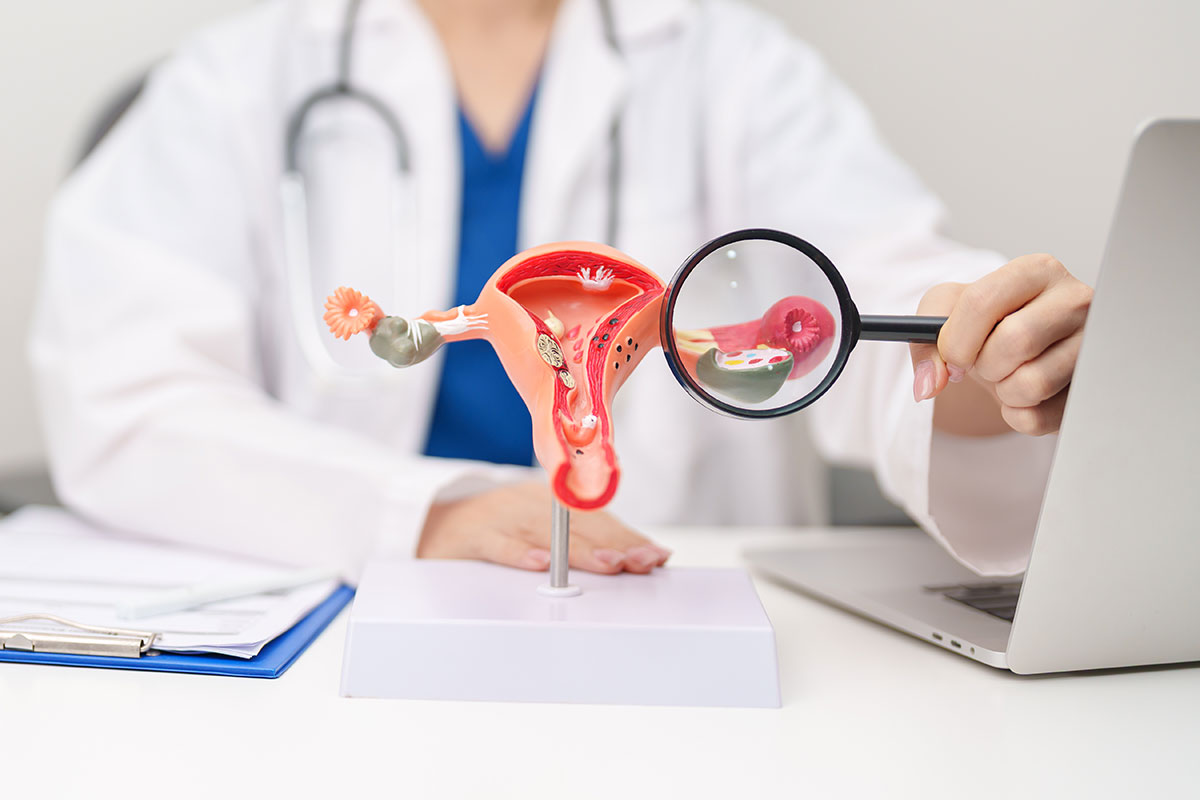
Speak to Us About Whether Hysterectomy Is Suitable
If you are living with a gynaecological condition and want to understand whether hysterectomy is appropriate for your situation, or if you have been recommended the procedure and want a specialist assessment before making a decision, a consultation with Dr Chang is a practical next step.
There is no obligation to proceed with surgery. The aim is to give you a clear understanding of your diagnosis, the options available, and what each involves, so that any decision is made on informed grounds.
Dr Chang offers hysterectomy consultations and specialist gynaecological care at Thomson Medical Centre, Singapore.
FAQs About Hysterectomy
Will I still have periods after a hysterectomy?
Can I get pregnant after womb removal surgery?
No. Pregnancy is no longer possible after hysterectomy. If you are considering future pregnancies or are uncertain whether your family is complete, this must be discussed thoroughly with Dr Chang before any decision is made.
Will a hysterectomy cause menopause?
Will hysterectomy affect my sex life?
For most women, sexual function is not significantly altered by hysterectomy. Women who were experiencing pain, pressure, or discomfort from their underlying condition often find that sexual wellbeing improves after recovery. If the ovaries are removed and menopause follows, vaginal dryness may occur and can be managed with appropriate treatment. If you have concerns specific to your situation, these are worth raising with Dr Chang before the procedure.
Will I need hormone replacement therapy after hysterectomy?
Not necessarily. If your ovaries are preserved, your hormonal balance remains largely unchanged, and HRT is not routinely required. If your ovaries are removed, surgical menopause begins immediately, and HRT is a consideration worth discussing to manage symptoms and protect bone and cardiovascular health over the longer term. Dr Chang can advise on whether HRT is appropriate based on your medical history and the reason for surgery.
How long does recovery take after hysterectomy?
Laparoscopic hysterectomies generally allow a return to normal activities within two to four weeks; vaginal hysterectomy recovery may take up to six weeks. Abdominal hysterectomy may require six to eight weeks. Full internal healing may take several months.
Are there alternatives to womb removal surgery?
In many cases, yes. Alternatives may include hormonal treatments, laparoscopic surgery to remove fibroids or treat endometriosis, or other gynaecological surgical options. Dr Chang will discuss whether any are suitable before recommending hysterectomy.
A hysterectomy is a major decision, and one that deserves thorough, unhurried discussion. Dr Chang takes time to understand each patient’s diagnosis, personal circumstances, and concerns before discussing whether surgery is the right path forward.
If you would like to explore your hysterectomy options in Singapore in a supportive, no-pressure environment, book a consultation with Dr Chang at Thomson Medical Centre today.